Marca: Chattanooga
Electroestimulador Chattanooga Cefar Tens
Descripción
El Cefar TENS de Chattanooga es nuestra próxima generación de dispositivos TENS portátiles, sobre la base tecnológica consolidada del Primo Pro con características añadidas para combinar tratamientos TENS y NMES en una sola unidad.
Para uso de terapeutas y pacientes, el Cefar TENS combina TENS con NMES para aliviar el dolor y rehabilitar la musculatura tanto en un centro de rehabilitación como en el domicilio. Los pacientes pueden empezar el tratamiento con el dispositivo en el centro mde rehabilitación bajo supervisión de terapeutas especializados, antes de continuarla en su domicilio. De uso fácil y sencillo, los mpacientes pueden sentirse seguros al seguir el tratamiento ellos mismos ya que su terapeuta puede establecer fácilmente los parámetros y monitorizar los progresos. Para los terapeutas esto equivale a una recuperación más rápida y estancias más cortas para los pacientes1,menos necesidad de recursos y de analgésicos2, por lo tanto, los pacientes se podrán beneficiar de una reducción del dolor, un aumento en la movilidad y de mayor independencia. En conjunto, el Cefar TENS es más que un dispositivo para el Alivio del dolor.
Indicaciones
TENS
NMES
Programas Preestablecidos
Características del Dispositivo
Contenido de la Caja
Referencias Clínicas
1. Gatewood CT, et al., The efficacy of post-operative devices following knee arthroscopic surgery: a systematic review. Knee Surg Sports Traumatol Arthrosc. 2017 Feb;25(2):501-516. 2. Rakel B, Frantz R, Effectiveness of transcutaneous electrical nerve stimulation on postoperative pain with movement. The Journal of Pain, Vol 4, No 8 (October), 2003: pp 455-464 3. Johnson MI, Jones G, Transcutaneous electrical nerve stimulation: current status of evidence. Painmanag (2017)7(1) 4. Johnson MI, et al., Transcutaneous electrical nerve stimulation for acute pain. Cochrane database of systematic reviews 2015 issue 6 5. Sbruzzi G, et al., Transcutaneous electrical nerve stimulation after thoracic surgery: systematic review and meta-analysis of 11 randomized trials. Rev Bras Cir Cardiovasc. 2012 Jan-Mar;27(1):75-87. 6. Osiri M, et al., Transcutaneous electrical nerve stimulation for knee osteoarthritis. The Cochrane Library 2008, Issue 2 7. Bjordal JM, et al., Short-term efficacy of physical interventions in osteoarthritic knee pain. A systematic review and meta-analysis of randomised placebo-controlled trials. BMC Musculoskeletal Disorders 2007, 8:51 8. Gould N, Donnermeyer D et .al., Transcutaneous Muscle Stimulation as a Method to Retard Disuse. Clin Orthop Rel Res, 178:190–197, 1983 9. Labanca L, et al., Neuromuscular Electrical Stimulation Superimposed on Movement Early after ACL Surgery.Med Sci Sports Exerc. 2018 Mar;50(3):407-416. 10. Topp R, et al., The Effect of Prehabilitation Exercise on Strength and Functioning After Total Knee Arthroplasty. Physical Medicine & Rehabilitation, Volume 1, pp. 729-735 11. Broderick BJ, et al., Haemodynamic performance of neuromuscular electrical stimulation (NMES) during recovery from total hip arthroplasty. J Orthop Surg Res. 2013 Mar 5;8(1):3. 12. Sangdee C, et al., Electroacupuncture versus Diclofenac in symptomatic treatment of Osteoarthritis of the knee: a randomized controlled trial. BMC Complementary and Alternative Medicine 2002, 2:3
Para uso de terapeutas y pacientes, el Cefar TENS combina TENS con NMES para aliviar el dolor y rehabilitar la musculatura tanto en un centro de rehabilitación como en el domicilio. Los pacientes pueden empezar el tratamiento con el dispositivo en el centro mde rehabilitación bajo supervisión de terapeutas especializados, antes de continuarla en su domicilio. De uso fácil y sencillo, los mpacientes pueden sentirse seguros al seguir el tratamiento ellos mismos ya que su terapeuta puede establecer fácilmente los parámetros y monitorizar los progresos. Para los terapeutas esto equivale a una recuperación más rápida y estancias más cortas para los pacientes1,menos necesidad de recursos y de analgésicos2, por lo tanto, los pacientes se podrán beneficiar de una reducción del dolor, un aumento en la movilidad y de mayor independencia. En conjunto, el Cefar TENS es más que un dispositivo para el Alivio del dolor.
Indicaciones
TENS
- Alivio y gestión del dolor crónico, dolor intratable3, 4
- Tratamiento complementario para el dolor agudo postquirúrgico y postraumático5
- Alivio del dolor asociado a la artritis6, 7
NMES
- Retardar o prevenir atrofias por falta de uso8
- Mantener o incrementar el rango de movimiento9 Reeducar la musculatura10
- Incrementar la circulación sanguínea local11
Programas Preestablecidos
- P1 Gate Control HF 80Hz
- P2 Burst LF 2 Hz
- P3 Gate Control HF 80Hz Mod
- P4 Gate Control HF 80Hz Sens
- P5 Mix 80Hz/2Hz Han
- P6 Neuromodulación LF 10Hz
- P7 HF Flow Tens
- P8 Endorfínico LF 5Hz
- P9 Gate Control HF 100Hz
- P10 NMES Estimulación Muscular 50Hz
- P11-P15 Programas Personalizables
Características del Dispositivo
- Función 1+1
- Modo programa
- Electrodos
- Cumplimiento
- Modo acupuntura*
- Clip de cinturón giratorio
Contenido de la Caja
- Dispositivo Cefar Tens
- Cargador rápido EU/UK o US
- 2 cables de pin
- Manual del usuario y guía práctica
- Estuche de transporte
- Cinta para el cuello y clip
- Flippable clip de cinturón
Referencias Clínicas
1. Gatewood CT, et al., The efficacy of post-operative devices following knee arthroscopic surgery: a systematic review. Knee Surg Sports Traumatol Arthrosc. 2017 Feb;25(2):501-516. 2. Rakel B, Frantz R, Effectiveness of transcutaneous electrical nerve stimulation on postoperative pain with movement. The Journal of Pain, Vol 4, No 8 (October), 2003: pp 455-464 3. Johnson MI, Jones G, Transcutaneous electrical nerve stimulation: current status of evidence. Painmanag (2017)7(1) 4. Johnson MI, et al., Transcutaneous electrical nerve stimulation for acute pain. Cochrane database of systematic reviews 2015 issue 6 5. Sbruzzi G, et al., Transcutaneous electrical nerve stimulation after thoracic surgery: systematic review and meta-analysis of 11 randomized trials. Rev Bras Cir Cardiovasc. 2012 Jan-Mar;27(1):75-87. 6. Osiri M, et al., Transcutaneous electrical nerve stimulation for knee osteoarthritis. The Cochrane Library 2008, Issue 2 7. Bjordal JM, et al., Short-term efficacy of physical interventions in osteoarthritic knee pain. A systematic review and meta-analysis of randomised placebo-controlled trials. BMC Musculoskeletal Disorders 2007, 8:51 8. Gould N, Donnermeyer D et .al., Transcutaneous Muscle Stimulation as a Method to Retard Disuse. Clin Orthop Rel Res, 178:190–197, 1983 9. Labanca L, et al., Neuromuscular Electrical Stimulation Superimposed on Movement Early after ACL Surgery.Med Sci Sports Exerc. 2018 Mar;50(3):407-416. 10. Topp R, et al., The Effect of Prehabilitation Exercise on Strength and Functioning After Total Knee Arthroplasty. Physical Medicine & Rehabilitation, Volume 1, pp. 729-735 11. Broderick BJ, et al., Haemodynamic performance of neuromuscular electrical stimulation (NMES) during recovery from total hip arthroplasty. J Orthop Surg Res. 2013 Mar 5;8(1):3. 12. Sangdee C, et al., Electroacupuncture versus Diclofenac in symptomatic treatment of Osteoarthritis of the knee: a randomized controlled trial. BMC Complementary and Alternative Medicine 2002, 2:3
También te puede gustar
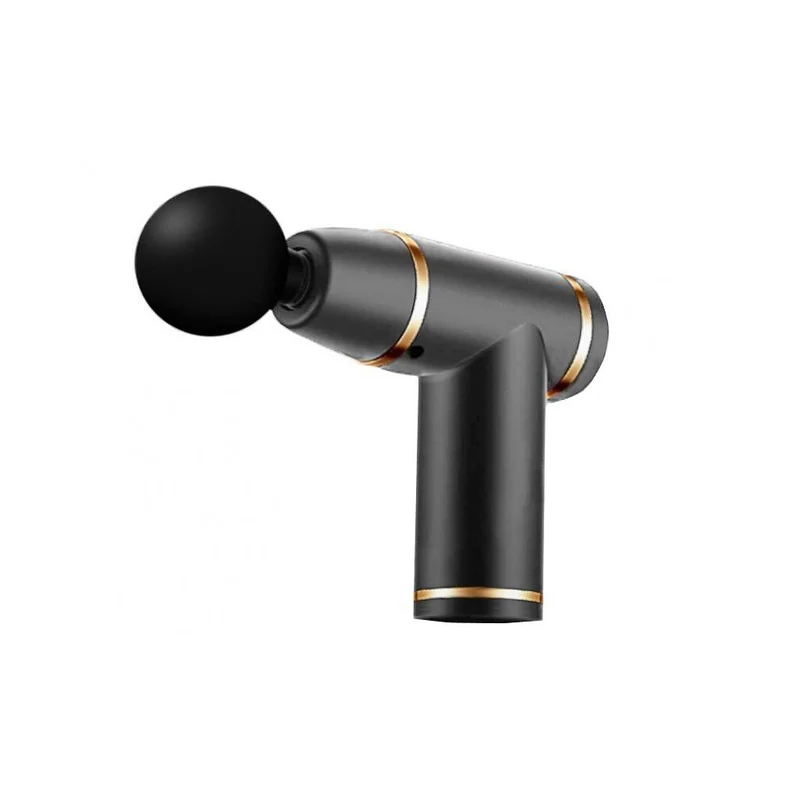 OfertaPistolet de massage avec 4 niveaux différents avec bouton de commande SK-168Synerfit
34,90 €20,72 €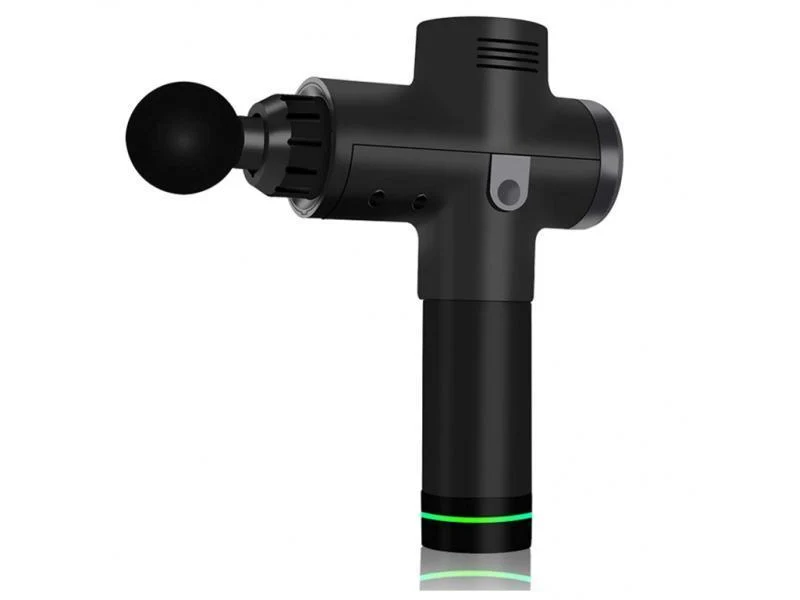 OfertaPistolet de massage musculaire 2000mAh, 3 niveaux + 4 applicateursSynerfit
49,99 €32,36 €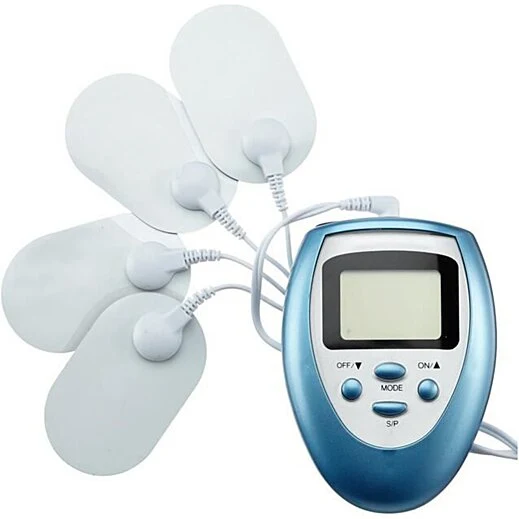 OfertaAppareil d'électro-stimulation Slimming Massager SynerfitSynerfit
15,90 €10,24 €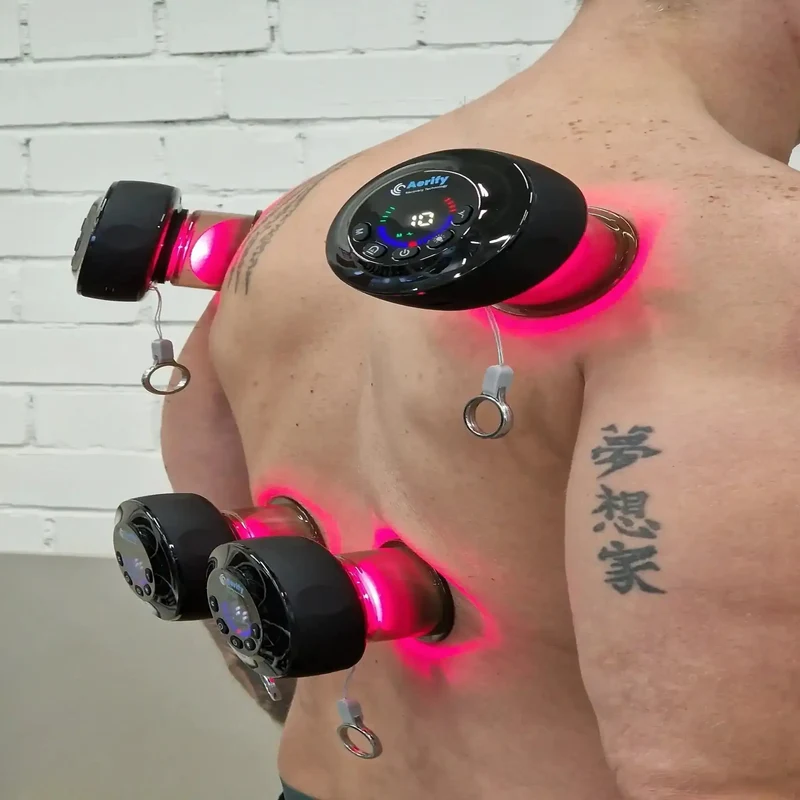 OfertaAerify Dynamic Cupping - Schröpfen & RotlichtAerify Recovery
179,00 €90,14 €